
Warsh's First Meeting as Fed Chairman
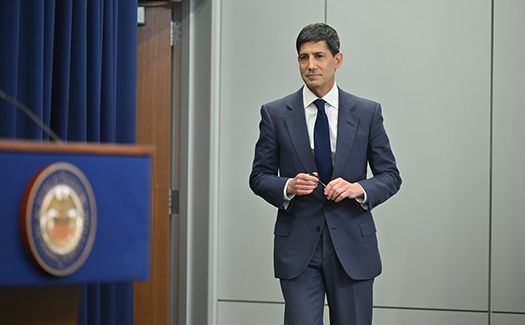
On Wednesday, the Federal Reserve concluded its June meeting by leaving interest rates unchanged, but investors paid close attention to a historic first appearance from new Federal Reserve Chair* Kevin Warsh. While no immediate policy changes were announced, the meeting provided insight into how Warsh may approach monetary policy, inflation, and communication with financial markets. Our focus this week examines key takeaways from Warsh's first meeting as Fed Chair.
Fed Elects to Leave Interest Rates Unchanged
The Federal Open Market Committee (FOMC) unanimously voted to keep the federal funds rate at 3.50%–3.75%. This marks the fourth consecutive meeting without a rate change as policymakers continue to balance elevated inflation against a still-resilient labor market.
Warsh Delivered a More Hawkish Tone
Fed Chairman Kevin Warsh surprised financial markets with a distinctly hawkish tone during his debut monetary policy announcement. Instead of the dovish, easy-money policies many expected, Warsh signaled an unwavering commitment to bringing inflation down to 2%, paving the way for potential rate hikes later in the year.
While the Fed held benchmark interest rates steady at 3.50% to 3.75%, half of the 18 officials (9 members) now project another rate hike before year-end, driven by resilient demand and persistent inflation.
Warsh Reaffirmed the Fed's Commitment to 2% Inflation
In his first press conference as Chair, Kevin Warsh emphasized that the FOMC is "unambiguously and unanimously" committed to returning inflation to the Fed's 2% target. He repeatedly stressed that price stability remains the central bank's primary objective.
A Major Shift Signaled in Fed Communication
Warsh has long criticized excessive forward guidance, and his first meeting reflected that philosophy. The policy statement was shorter than recent versions, and Warsh avoided providing detailed guidance about future rate moves. Investors should expect a more data-dependent Fed and potentially less reliance on "dot plot" forecasting and extensive public signaling.
Five New Task Forces Were Announced
Warsh announced independent task forces to review:
- Inflation measurement
- Fed communications
- Economic data usage
- Productivity trends
- Employment analysis
This suggests a broader effort to rethink how the Federal Reserve conducts and communicates monetary policy.
The Fed Is Looking More Closely at Productivity and AI
Warsh indicated that technological innovation and artificial intelligence may be increasing productivity more rapidly than traditional economic statistics capture. Investors should expect a more data-dependent Fed and potentially less reliance on "dot plot" forecasting and extensive public signaling.
*The Chair of the Federal Reserve serves a four-year term and can be reappointed. While the Chair helps guide U.S. monetary policy, Federal Reserve Governors serve longer 14-year terms to help maintain the central bank's independence and continuity.
